

“Never let your sense of morals get in the way of doing what’s right.”
Isaac Asimov
I love that quote by writer and professor Isaac Asimov – “Never let your sense of morals get in the way of doing what’s right.” In the real world of interpreting – in fact in the real world of life – things are never simply, right and wrong or black and white. There are always shades to everything we do. Our sense of morals is our internal barometer and may conflict with the rules we are given in our professional life as to what the “right” thing to do is.
There is no Right and Wrong
I recall a workshop on MAiD (Medical Assistance in Dying) that we ran last year at The Interpreter’s Lab and the chat conversation that ignited as the presenter spoke. There were some very important points made on the difficulties of working in such a traumatic setting and situation. And then there were the few comments from some that had not really interpreted in the MAiD program, but nonetheless had a point of view to state. Death, choosing death over life, is an act that touches on many feelings, some of which are deeply ingrained and trigger a moral judgement. Let’s condense the comments into one example that most succinctly summed up the others in the same vein: “MAiD is wrong”. But MAiD is not wrong. MAiD is a legally sanctioned medical and legal act in our community. So, whether your own morals agree with MAiD, it is not intrinsically wrong or right. It just is. And as a professional participating in the process, you need to just do the “right’ thing.
Why is this Session Important?
We only come to an awareness of our professional obligations through dialogue and sharing of ideas. We cannot simply assume that what we believe is “right” is, in fact, right. The possibility of interpreters making mistakes in practice due to assumptions that there are universal beliefs of right and wrong is always present. In training, interpreters are taught ethics and, if they attended a good program, an exploration of ethical decision making, dealing with dilemmas, and assessment of one’s own values and ethical grounding. But even if they did receive these critical lessons in their training, the nature of interpreting requires a constant attention to new situations and conflicts that confront us. As a community of practice, how we understand and deal with new and emergent challenges comes to our awareness in discussion, through sharing stories, and in understanding expectations and obligations.
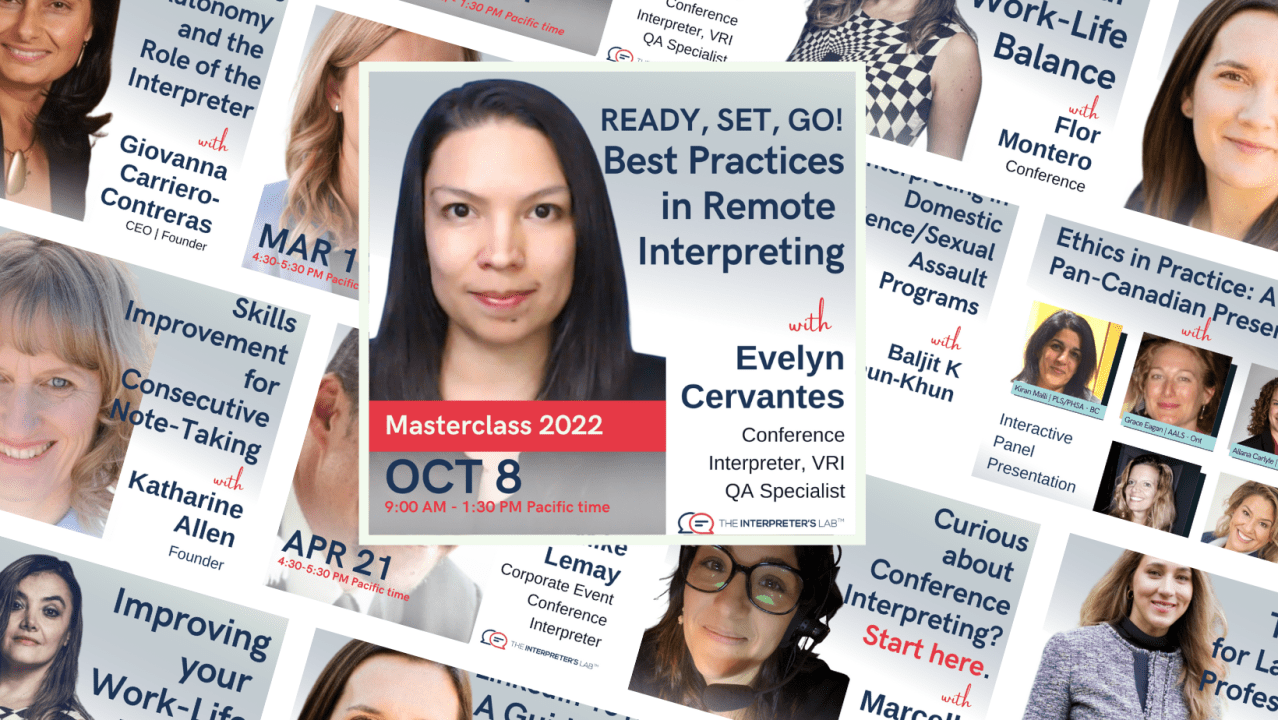
This cross-Canada panel will offer a format for discussion and exploration of different perspectives of what doing the “right” thing might mean depending on the situation and individual. As professionals we MUST follow our code of conduct, and the rules of the agencies with which we work, as human beings we need to reconcile those feelings of discord to maintain a healthy emotional and mental balance.
HOW TO JOIN:
This session is FREE to all TIL Members (as are all of the monthly workshops).
If you are not member, consider joining and sign up for a year’s worth of workshops covered by your membership fee. Find out more here aboutTIL Membership
Or, register for this 2-hour workshop as a single session HERE

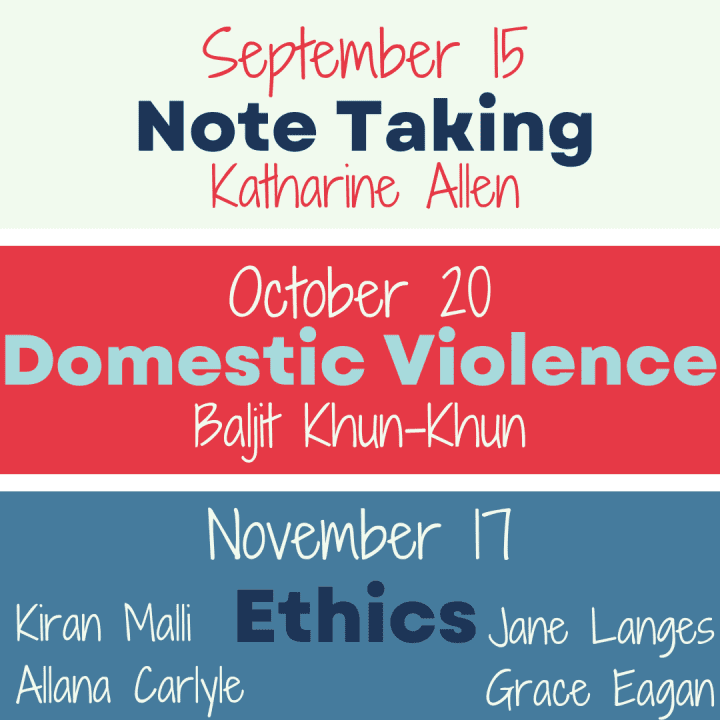 September 15th – Skills Improvement for Consecutive Note-taking with Katharine Allen (spots still available)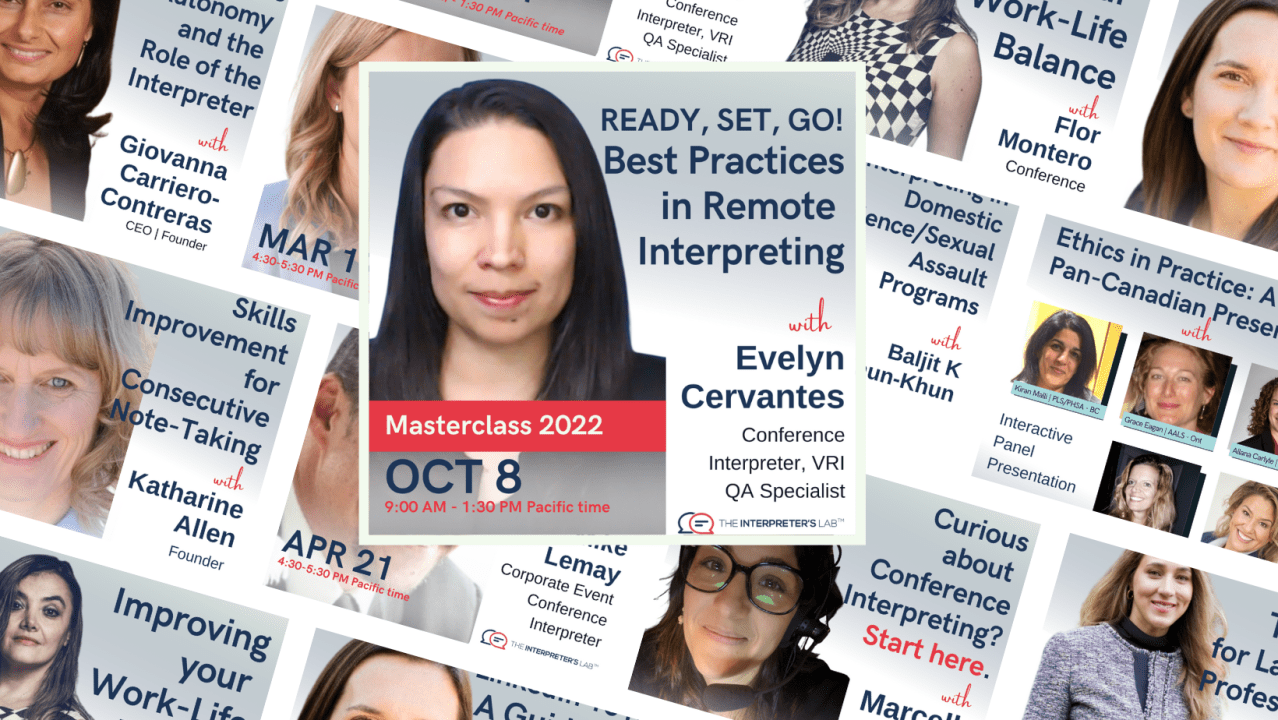

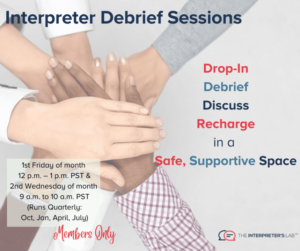 After 6-months in the current format, we are implementing improvements to Member benefits. One of the biggest complaints I hear from our students and members, and interpreters in general, is that the work can be isolating. Frequently interpreters do not have a place to connect on a more personal, or individual level. While our monthly workshops are amazing (given all the wonderful speakers and topics) the member-only portion of our time together could be improved. So, we will be introducing small group discussions so that we can better share and connect.





 I want to acknowledge that utilizing interpreters does not absolve professionals who serve within a diverse community of the responsibility to consistently practice cultural humility. While professional interpreting services have always been a crucial core component of any access plan, interpreters cannot single-handedly fix the discrimination and racism that exists in Canada. And so more work is always needed.


 Hello Kiran and thank you for taking the time to answer a few questions.